MTR’s “Stand on Both Sides” Campaign Sparks Controversy
港鐵「左右企定」倡議引發爭議
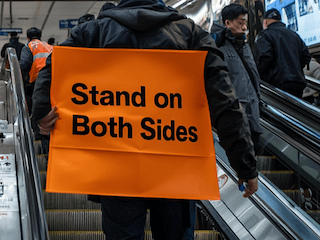
In
November
2024,
Hong
Kong’s
MTR
Corporation
introduced
a
new
safety
campaign
urging
passengers
to
"stand
on
both
sides"
of
escalators.
Traditionally,
commuters
in
Hong
Kong
stand
on
the
right
side,
leaving
the
left
side
free
for
those
wishing
to
walk.
This
practice
has
long
been
a
convention,
mirroring
similar
habits
seen
in
cities
like
London.
2024年11月,香港地鐵公司推出了一項新的安全活動,敦促乘客在自動扶梯上「站在兩側」。傳統上,香港的通勤者站在右側,將左側留給那些希望步行的人。這種做法長期以來一直是一種慣例,反映了倫敦等城市的類似習慣。
The
campaign
aims
to
reduce
the
number
of
escalator-related
accidents.
Statistics
revealed
that
in
the
first
nine
months
of
2024,
there
were
430
such
incidents
on
MTR
escalators.
Many
of
these
accidents
were
caused
by
passengers
walking
on
escalators,
losing
balance,
or
being
bumped
by
others.
To
address
these
safety
concerns,
the
MTR
deployed
ambassadors
at
escalators,
holding
signs
promoting
the
"stand
on
both
sides"
guideline.
該活動旨在減少與自動扶梯相關事故的數量。統計顯示,2024年首9個月,港鐵自動扶梯共發生430起此類事故。其中許多事故是由於乘客在自動扶梯上行走、失去平衡或被他人碰撞而造成的。為了解決這些安全問題,港鐵在自動扶梯上部署了大使,舉著標語牌宣傳「雙方立場」的指導方針。
The
initiative
has
sparked
mixed
reactions
among
commuters.
Critics
argue
that
standing
on
both
sides
slows
them
down,
particularly
during
rush
hours,
as
walking
provides
a
faster
option
for
those
in
a
hurry.
However,
supporters
emphasise
the
importance
of
prioritising
safety,
pointing
out
the
risks
of
walking
on
escalators,
including
falls
and
collisions.
這項舉措引起了通勤者的不同反應。批評者認為,兩側站立會減慢他們的速度,尤其是在高峰時段,因為步行為那些匆忙的人提供了更快的選擇。然而,支持者強調安全優先的重要性,並指出在自動扶梯上行走的風險,包括跌倒和碰撞。
This
debate
echoes
similar
discussions
in
other
cities,
where
campaigns
promoting
escalator
safety
and
efficiency
have
faced
resistance.
這場辯論與其他城市的類似討論相呼應,在這些城市,促進自動扶梯安全和效率的運動遇到了阻力。
Useful Ideas
實用要點
Group Discussion
小組討論
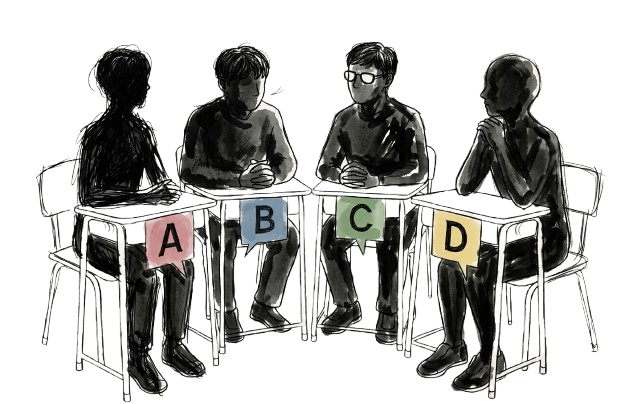
A local newspaper is inviting public opinions on the controversy surrounding the MTR’s "Stand on Both Sides" campaign. Your group has been asked to write a letter to the editor sharing your views. In your group, decide on the main points for the letter.
當地一家報紙正在就圍繞港鐵「兩面立場」運動的爭議徵求公眾意見。您的小組已被要求寫信給編輯分享您的觀點。在你們的小組中,決定這封信的要點。
Keypoints to Discuss
討論要點
Whether the campaign is effective in improving escalator safety
How to balance public safety concerns with commuter convenience
Suggestions for refining the campaign to make it more acceptable
Anything else you think is important
Individual Response
個人回應
Have you ever stood or walked on an escalator during rush hour? What was it like?
您曾經在尖峰時段在手扶梯上站立或行走過嗎?是什麼樣子的?
Do you think it’s safer to stand on both sides of an escalator, or should people be allowed to walk? Why?
您認為站在自動扶梯兩側比較安全,還是應該允許人們步行?為什麼?
How do you feel when escalators are crowded, and you can’t move as quickly as you want?
當自動扶梯很擁擠而你無法以自己想要的速度移動時,你感覺如何?
Have you ever seen someone trip or have an accident on an escalator? What happened?
您是否見過有人在自動扶梯上絆倒或發生事故?發生了什麼事?
What do you usually do to stay safe when using an escalator?
使用自動扶梯時,您通常會採取什麼措施來確保安全?
How would you feel if you were asked to follow the “stand on both sides” rule during busy times?
如果你在繁忙的時候被要求遵守「雙方立場」的規則,你會有什麼感覺?
Do you think safety rules like this are more important than saving time? Why or why not?
您認為這樣的安全規則比節省時間更重要嗎?為什麼或為什麼不呢?
How do you usually feel about crowded places like train stations during rush hour?
您通常對高峰時段火車站等擁擠的地方有什麼感覺?
Why do you think rules are important in places like train stations or shopping malls?
為什麼您認為規則在火車站或購物中心等地方很重要?
Have you ever seen people not following rules in public places? How did it affect others?
你有看過在公共場所不遵守規則的人嗎?它如何影響其他人?
Ideas for you
精選建議
Essential Vocabularies
基本詞彙
Useful Expressions
有用的表達方式
Thinking Aspects
思維方面
Special and Refreshing Points
特別和令人耳目一新的要點